Serving Broward, Palm Beach & Miami-Dade





What Coconut Creek Condo Owners Need to Know About AC Replacement

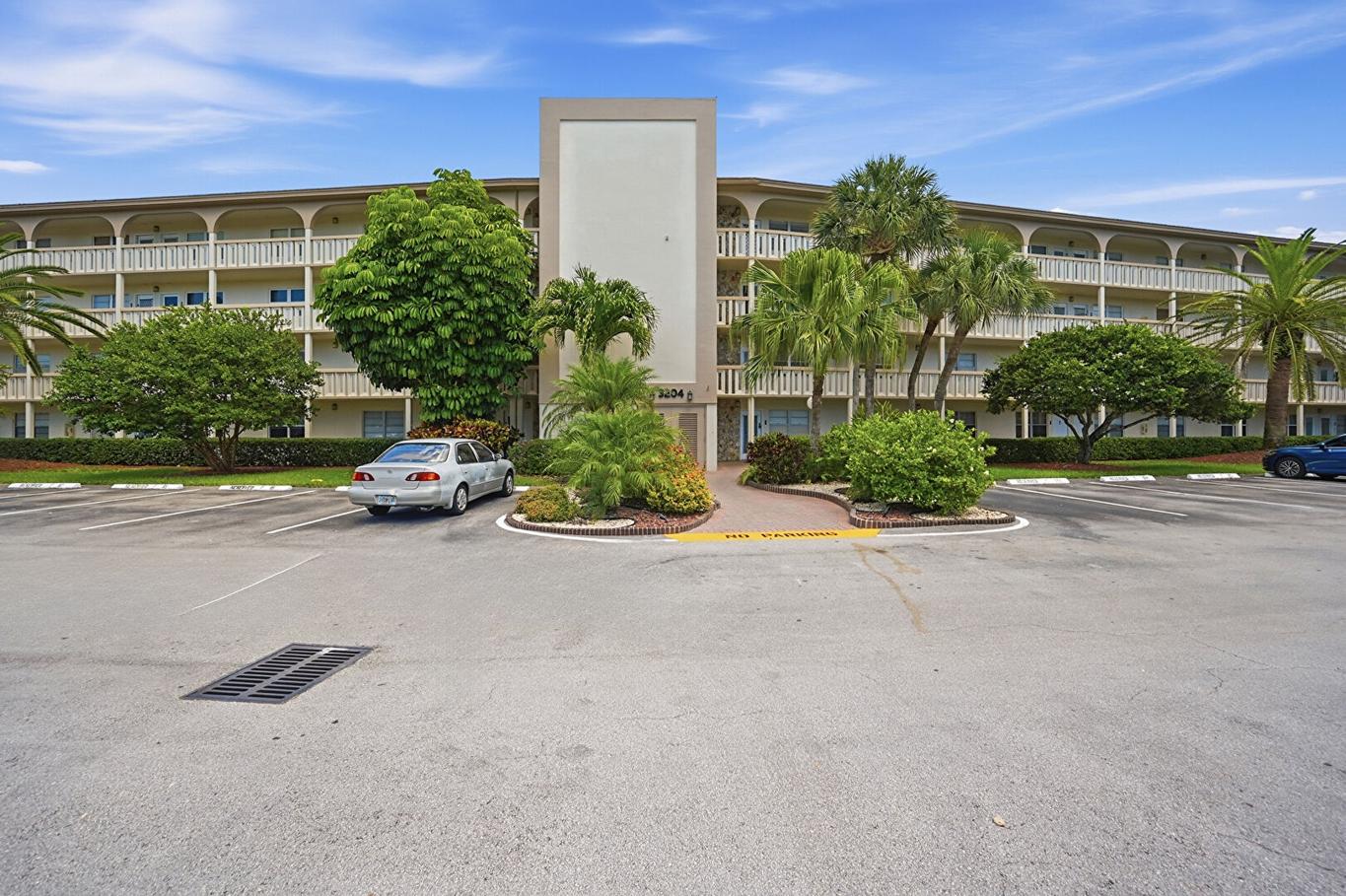
When your air conditioner starts showing signs of age, replacing it is usually straightforward in a single-family home. In a condominium, however, the process can be much more complicated.
Many Coconut Creek condo owners are surprised to learn that replacing an AC system often involves HOA approval, building access requirements, and questions about who is actually responsible for different parts of the HVAC equipment. Recent changes to Florida association laws have added another layer of confusion for homeowners trying to navigate the replacement process.
Before investing in a new air conditioning system, it is important to understand your responsibilities, your association’s requirements, and how state laws may affect your project.
Understanding Condo AC Ownership Responsibilities
One of the first questions condo owners ask is, “Who owns the air conditioning system?”
The answer depends on the condominium’s governing documents.
In many South Florida condo communities, unit owners are responsible for HVAC equipment located within the boundaries of their unit. This often includes:
- The indoor air handler
- The thermostat
- Interior ductwork
- Drain lines serving the unit
However, some condominium buildings have shared HVAC components that are maintained by the association.
Depending on the community, the outdoor condenser may be:
- Owned by the unit owner
- Classified as a limited common element
- Maintained by the condominium association
The only way to know for sure is to review your condominium declaration and maintenance responsibility documents.
Before scheduling AC replacement, homeowners should verify exactly which portions of the system they are responsible for maintaining and replacing.
Does Your Building Use a Shared HVAC System?
Not every condominium in Coconut Creek has a traditional split-system air conditioner.
Some buildings operate using shared cooling infrastructure, such as:
- Chilled water systems
- Cooling towers
- Central chillers
- Shared mechanical equipment
In these buildings, owners may only be responsible for replacing the fan coil unit or air handler located inside the condo.
The association may maintain and replace the larger mechanical systems that serve the building as a whole.
Replacing equipment without understanding how your building’s HVAC system is configured can lead to compatibility issues and unnecessary expenses.
If you are unsure how your condo’s cooling system operates, an experienced HVAC contractor can help identify which components belong to your unit and which are maintained by the association.
Do You Need HOA Approval to Replace Your AC?
In many cases, yes.
Even when the air conditioning equipment is owned by the unit owner, condominium associations often require approval before replacement work begins.
This is because HVAC projects may involve:
- Roof access
- Mechanical rooms
- Utility closets
- Exterior equipment locations
- Common areas used during installation
Many associations require homeowners to submit documentation before approving the project.
Requirements may include:
Contractor Information
Associations often request:
- Contractor licenses
- Proof of insurance
- Workers’ compensation coverage
- Contact information
Equipment Specifications
The HOA may require details about:
- Equipment size
- Model numbers
- Efficiency ratings
- Installation plans
Building Access Coordination
Many condominium communities have rules governing:
- Elevator reservations
- Loading dock use
- Work hours
- Parking for service vehicles
- Noise restrictions
Failing to obtain required approval can delay installation and potentially result in fines or compliance issues.
For this reason, it is a good idea to work with an HVAC company that has experience handling condominium replacement projects throughout South Florida.
How Long Does HOA Approval Take?
Approval timelines vary from one community to another.
Some associations can review and approve applications within a few days. Others require architectural review committee meetings or board approval, which may take several weeks.
If your air conditioner is approaching the end of its lifespan, it is wise to begin the approval process before a complete breakdown occurs.
Planning ahead can help you avoid:
- Emergency replacement situations
- Extended periods without air conditioning
- Installation delays
- Additional costs associated with rush service
Given South Florida’s heat and humidity, having a proactive replacement plan can make a significant difference in comfort and convenience.
What Do Florida’s New HOA and Condo Laws Mean for AC Replacement?
Recent changes to Florida association laws have generated questions among homeowners regarding their rights when replacing home systems and equipment.
Florida law generally limits the ability of homeowners associations to prohibit certain improvements when they meet specific requirements. In some situations, associations may not be able to unreasonably restrict HVAC replacements that are substantially similar to existing systems and are not visible from common areas or neighboring properties.
However, condominium owners should not assume that HOA approval requirements have been eliminated.
Condominium associations still have authority over common elements, building operations, shared mechanical systems, and procedures established in governing documents.
In addition, many condominium communities have legitimate requirements related to:
- Contractor access
- Insurance verification
- Building safety
- Mechanical system compatibility
- Protection of common property
The safest approach is to review your association’s requirements and work with a licensed HVAC contractor who understands both local regulations and condominium installation procedures.
Signs It May Be Time to Replace Your Condo AC System
If your system is struggling to keep up with South Florida’s climate, replacement may be more cost-effective than continuing to invest in repairs.
Common warning signs include:
- Rising energy bills
- Frequent service calls
- Inconsistent cooling
- Excess indoor humidity
- Strange noises
- Refrigerant leaks
- Poor airflow
- A system age of 10 to 15 years or older
Replacing an aging air conditioner can improve comfort, reduce utility costs, and provide greater reliability during Florida’s hottest months.
Why Condo AC Replacement Requires Specialized Experience
Condominium HVAC projects often involve challenges that are not present in single-family homes.
Contractors may need to coordinate with:
- Property managers
- HOA boards
- Building engineers
- Elevator schedules
- Access restrictions
- Shared mechanical systems
An experienced HVAC company understands how to navigate these requirements while minimizing disruption to residents and ensuring the installation complies with association guidelines.
Trust Art Plumbing, Air Conditioning & Electric for Condo AC Replacement
For decades, Art Plumbing, Air Conditioning & Electric has helped South Florida homeowners keep their homes comfortable with professional HVAC services and expert AC replacement solutions.
Whether your Coconut Creek condo has an individually owned air conditioning system or is connected to a shared building infrastructure, our team can help you understand your options, navigate association requirements, and choose an energy-efficient system designed for South Florida’s climate.
If your air conditioner is showing signs of age or struggling to keep your condo comfortable, contact Art Plumbing, Air Conditioning & Electric today to schedule an AC evaluation and learn more about your replacement options.