Serving Broward, Palm Beach & Miami-Dade





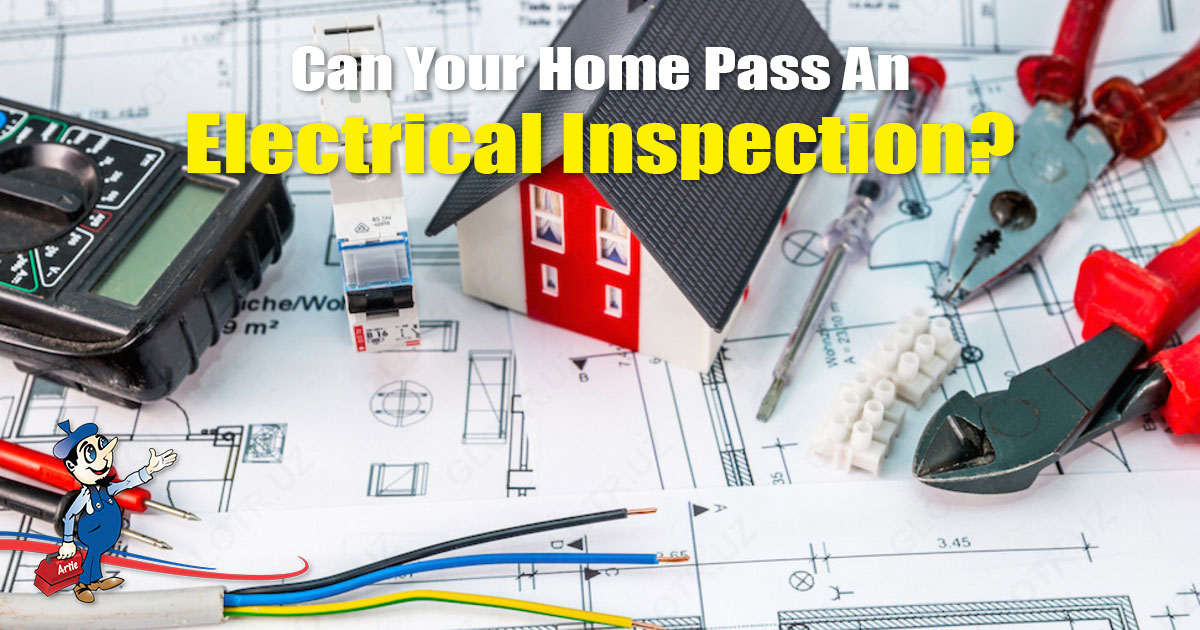
Can Your Home Pass An Electrical Inspection?

Yes, a home can usually pass an electrical inspection if the wiring is installed safely, the work meets code, required permits are in place, and outlets, circuits, and panels are set up properly. Inspectors typically look at wiring methods, box placement, circuit sizing, safety protections, and overall compliance during both rough-in and final inspection stages.
Quick Answer: A home is more likely to pass an electrical inspection when:
- The work is completed by a qualified electrician
- All required permits have been pulled
- Wiring is properly secured and protected
- Circuits are sized correctly for the electrical load
- GFCI and AFCI protection are installed where required
- Boxes, switches, outlets, and fixtures are installed correctly
- The system is safe, accessible, and code-compliant
Electricity is part of daily life, but it can also create serious safety risks when wiring is outdated, overloaded, or installed incorrectly. That is why electrical inspections matter. Whether you are building, remodeling, adding major appliances, or updating an older home, an inspection helps confirm that the electrical work is safe and up to code.
In this blog, we’ll explain when an electrical inspection is required, what an inspector checks, and what homeowners can do to improve their chances of passing.
When Does a Home Need an Electrical Inspection?
An electrical inspection is commonly required any time major electrical work is performed. The article explains that inspections are especially important before a new or renovated space can be occupied. It also notes several situations where an inspection may be required.
You may need an electrical inspection for:
- New home construction
- Major room additions
- Remodeling projects, especially kitchens and bathrooms
- The purchase or sale of a property
- Older buildings, including homes 40 years old or older
- The addition of major appliances to the electrical system
An inspector will generally only approve the installation if:
- Applicable building code requirements have been followed
- The installation was completed safely
- There are no obvious electrical fire hazards
What Does an Electrical Inspector Check in a Home?
Electrical inspections are often completed in two stages:
- Rough-in inspection
- Final inspection
Both stages matter. Passing both inspections is what leads to final approval of the electrical work.
What Happens During a Rough-In Electrical Inspection?
A rough-in inspection takes place before the walls are closed so the inspector can clearly see the wiring, boxes, and circuit layout. At this point, the inspector is focused on how the system has been installed behind the finished surfaces.
Electrical boxes
The inspector may review whether:
- The boxes are flush with the wall
- The boxes are large enough for the wires, conductors, and devices inside them
- Outlet heights and switch heights are installed consistently and in the expected locations
Cables and wiring
The inspector may also check whether:
- Wires are clamped into boxes correctly
- Enough usable wire extends from each box
- The wire gauge matches the circuit amperage
- Cables are anchored correctly
- Wiring runs are organized and installed safely
Circuits
The inspector will also want to see that the home has enough circuits for the expected electrical demand. That includes general lighting and appliance use, plus dedicated circuits where needed, such as in kitchens and other higher-demand areas.
GFCI and AFCI protection
Safety devices are a major part of inspection readiness:
- GFCI protection is needed near water and in certain lower-level locations
- AFCI protection is commonly required in new construction and remodeling situations
What Happens During a Final Electrical Inspection?
The final inspection happens after the walls are closed and the finishing work is complete. At this stage, the inspector confirms that the electrical system functions correctly and that fixtures, outlets, and finished components have been installed properly. The space is typically not ready for use until the final electrical inspection is signed off.
During the final inspection, the inspector may check:
- Whether circuits are working properly
- Whether light fixtures are connected correctly
- Whether the finished installation is safe and complete
- Whether the work matches what was permitted and inspected earlier
Why Does Hiring a Qualified Electrician Matter?
One of the clearest themes in the original article is that inspections tend to go more smoothly when the work is done by a qualified electrician. That is because experienced electricians are more likely to understand code requirements, secure the right permits, and prepare the job site properly for inspection.
Working with a qualified electrician can help because they can:
- Wire the home to code
- Make sure permits are in place
- Provide safe access to electrical components for the inspector
- Recognize common inspection issues before the inspection happens
- Understand local expectations that may affect how smoothly the process goes
How Can You Help Your Home Pass an Electrical Inspection?
Electrical inspections do not have to be stressful. A few simple steps can make a big difference.
Electrical inspection pass checklist
- Hire a qualified electrical contractor instead of doing the work yourself
- Make sure all required permits have been obtained
- Eliminate exposed or improperly secured wiring
- Avoid overloaded circuits and use dedicated circuits where necessary
- Install GFCI protection near water and in other required areas
These are some of the most practical ways to reduce delays, avoid failed inspections, and improve overall electrical safety in the home.
Common Reasons a Home Might Fail an Electrical Inspection
Many failed inspections stem from preventable issues. Based on the original article, common problems may include:
- Missing permits
- Exposed or poorly secured wiring
- Overloaded circuits
- Incorrect wire sizing
- Missing GFCI or AFCI protection where required
- Incomplete or unsafe installation practices
Need Help Getting Ready for an Electrical Inspection?
If you are planning electrical work, remodeling your home, or are concerned that your current setup may not pass inspection, it helps to have a licensed professional review the system before inspection day.
Art Plumbing, Air Conditioning & Electric provides electrical services for homeowners across South Florida and can help with code-compliant installation, inspection preparation, and electrical upgrades. If you want help identifying issues before they become inspection problems, contact Art Plumbing, Air Conditioning & Electric to schedule service and get expert guidance for your home.