Serving Broward, Palm Beach & Miami-Dade





2026 Standby Generator Installation Guide for South Florida Homeowners

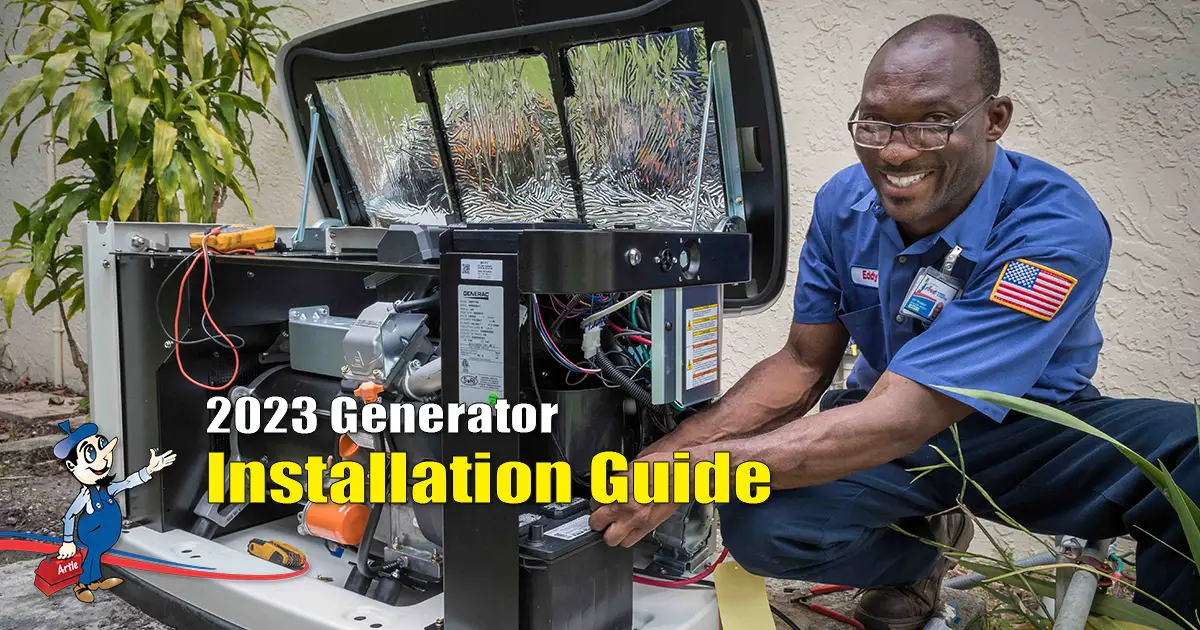
Standby generator installation involves sizing the system for your home, choosing a code-compliant location, installing a concrete pad, connecting fuel and electrical systems, adding a transfer switch, and fully testing the unit. In South Florida, installation also requires permits, inspections, and proper placement for hurricane and safety compliance.
Power outages in South Florida aren’t a matter of if but when. Between hurricanes, grid strain, and severe storms, a standby generator is one of the most reliable ways to protect your home, comfort, and safety.
In this guide, you’ll learn how standby generator installation works from start to finish, including how to choose the right size, where generators can be installed safely, what permits are required, how long installation takes, and what steps to take to protect your home before the next outage or hurricane.
What Size Standby Generator Do I Need?
Choosing the right generator starts with understanding your home’s power needs. Some homeowners only want to run essential systems, while others want full-home backup.
A licensed electrician performs a load calculation based on:
- Air conditioning systems
- Refrigerators and freezers
- Lighting and outlets
- Water heaters
- Sump pumps
- Medical equipment
- Home office systems
- Security systems
An undersized generator may not power everything you need, while an oversized unit can increase costs without adding value. Proper sizing ensures reliable performance during an outage.
Essential Power vs. Whole-Home Backup
Before installation, decide what level of backup power you want.
- Essential power systems typically include refrigeration, lighting, internet, and limited cooling.
- Whole-home systems are designed to power most or all appliances, including air conditioning.
In South Florida, air conditioning is often a top priority, so it’s important to factor that into generator sizing early in the process.
Where Should a Standby Generator Be Installed?
Generators must be installed outdoors in a safe, code-compliant location. Placement is critical for safety, airflow, and inspection approval.
A proper installation location should:
- Be a safe distance from doors, windows, and vents
- Allow for proper exhaust ventilation
- Sit on a stable surface such as a concrete pad
- Provide easy access for maintenance
- Meet local clearance and code requirements
- Be positioned near a fuel source
Incorrect placement can lead to safety hazards, failed inspections, and insurance complications.
What Permits Are Required for Generator Installation in 2026?
Most standby generator installations in South Florida require permits before work begins.
These typically include:
- Electrical permit for wiring and transfer switch
- Gas or plumbing permit for fuel connection
- Site plan showing generator placement
- Equipment specifications
- Load calculations
- Final inspection approval
Permits ensure the system meets Florida Building Code requirements and local safety standards. Skipping this step can result in fines, delays, and complications with insurance or resale.
What Happens During Standby Generator Installation?
A professional installation follows a structured process to ensure safety and performance.
First, the home is evaluated to determine power needs, fuel options, and installation location. Once the generator is properly sized, permits are submitted and approved.
Next, the installation site is prepared. This may include clearing space, leveling the ground, and installing a concrete pad. The generator is then placed and secured.
After placement, the system is connected to the home’s fuel source, such as natural gas or propane. A transfer switch is installed to allow automatic power switching during outages.
Electrical wiring, grounding, and system connections are completed next. The generator is then tested to confirm it starts properly, transfers power correctly, and supports the home’s electrical load.
Finally, a local inspection verifies the installation meets all code requirements.
Why Is the Transfer Switch Important?
The transfer switch is a critical component of any standby generator system. It prevents backfeed of electricity into utility lines and ensures safe operation.
When a power outage occurs, the transfer switch:
- Detects the outage
- Starts the generator automatically
- Transfers power to your home
- Switches back to utility power when service is restored
Without a properly installed transfer switch, generator use can be unsafe and may not pass inspection.
How Long Does Generator Installation Take?
Once permits are approved, most installations take one to three days to complete. However, the full timeline depends on several factors.
These include:
- Permit approval timelines
- Generator availability
- Site preparation needs
- Electrical system upgrades
- Fuel line installation
- Inspection scheduling
During hurricane season, installation timelines may increase due to higher demand. Planning ahead helps avoid delays.
Why Install a Generator Before Hurricane Season?
South Florida homeowners benefit from installing generators before hurricane season begins. Waiting until a storm is approaching can limit options and delay installation.
Installing early allows time to:
- Secure the right generator system
- Complete permitting and inspections
- Test the generator before an outage
- Avoid seasonal demand delays
Backup power is not just for hurricanes. Generators also protect against unexpected outages throughout the year.
Can a Generator Affect Home Insurance?
A properly installed generator can enhance home safety, but insurers focus on whether the system is properly installed.
Homeowners should maintain:
- Permit documentation
- Installation records
- Inspection approvals
- Equipment details
- Maintenance history
Unpermitted or improperly installed systems may create issues with insurance coverage or claims.
How Do You Maintain a Standby Generator?
Routine maintenance is essential to ensure reliable performance.
Maintenance typically includes:
- Oil and filter changes
- Battery checks
- Fuel system inspection
- Electrical connection checks
- Debris removal
- System testing
Many generators perform automatic self-tests, but professional service is still recommended, especially before hurricane season.
When Should You Install a Standby Generator?
You should consider installing a generator if:
- Your area experiences frequent outages
- You rely on essential electrical equipment
- You want consistent air conditioning during storms
- You work from home
- You want peace of mind during hurricane season
The best time to install a generator is before you need it.
Get Ahead of the Next Power Outage
A standby generator is one of the most effective ways to protect your home, comfort, and safety during power outages. Proper installation ensures your system runs reliably, meets code requirements, and is ready when you need it most.
Art Plumbing, Air Conditioning & Electric provides professional standby generator installation, permitting, and system design tailored to South Florida homes. Schedule your generator installation today to stay prepared before the next outage or storm.