Serving Broward, Palm Beach & Miami-Dade





Clogged Shower Drain? Signs, Causes, and When to Call a Plumber in South Florida
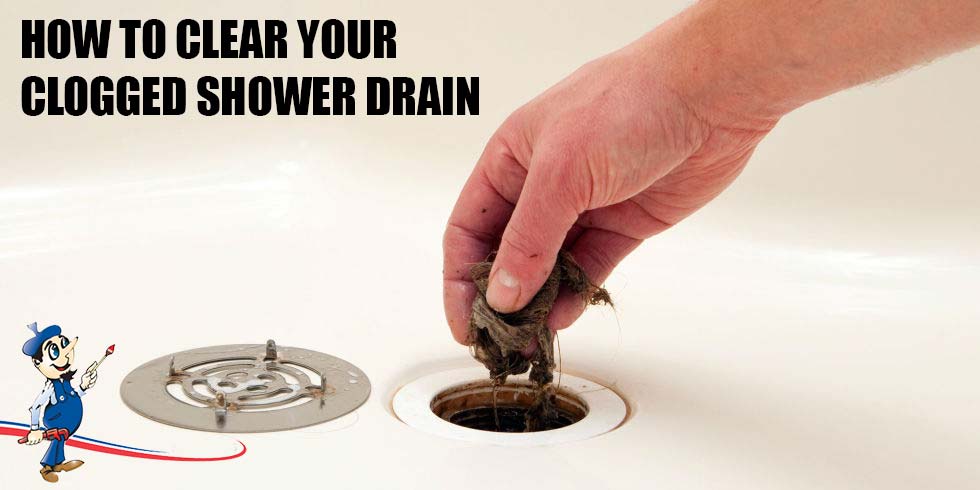
A clogged shower drain is usually caused by hair, soap scum, dirt, mineral buildup, or debris trapped inside the pipe. If your shower drains slowly, leaves standing water, smells bad, or keeps clogging after DIY fixes, it is time to call a professional plumber.
A clogged shower drain can start as a minor inconvenience and quickly become a major plumbing problem. Slow drainage, standing water, unpleasant odors, and recurring backups are all signs that something is blocking the flow of water through your shower drain.
In this guide, you will learn the most common signs of a clogged shower drain, what causes shower drain blockages, which DIY methods may help, and when it is best to call a professional plumber for drain cleaning or leak repair.
What Are the Signs of a Clogged Shower Drain?
The most common sign of a clogged shower drain is water pooling around your feet while you shower. If the water takes longer than usual to drain, there is likely a blockage forming inside the pipe.
Other warning signs include:
- Standing water after a shower: If water remains in the shower long after the water is turned off, the drain is not moving wastewater out fast enough.
- Slow drainage: Water that drains gradually instead of quickly often means hair, soap scum, or buildup is narrowing the pipe.
- Gurgling sounds: Gurgling can happen when air is trapped behind a blockage and struggles to move through the drain line.
- Bad odors from the drain: Foul smells may come from trapped debris, stagnant water, or buildup inside the pipe.
- Water backing up into the shower: Backup is a more serious warning sign that the clog may be deeper in the plumbing system.
- Repeated clogs: If the drain keeps clogging after you clear it, there may be a buildup further down the line.
- Leaks or damp areas near the shower: A clog can increase pressure in the drain line and may contribute to leaks or water damage.
A single slow shower drain may point to a local clog. If multiple drains in your home are slow at the same time, the issue may be due to a larger plumbing or sewer line problem.
What Causes a Shower Drain to Clog?
Most shower drain clogs develop over time. Small amounts of hair, soap, dirt, and debris enter the drain every day. Eventually, that buildup can restrict water flow and cause the drain to slow down or stop completely.
Common causes include:
- Hair buildup: Hair is one of the most common causes of shower drain clogs. It can collect inside the drain, wrap around other debris, and create a blockage that grows over time.
- Soap scum: Soap residue can stick to the inside of the pipe. When it combines with hair, dirt, and oils, it forms a thick buildup that slows drainage.
- Dirt and sand: After outdoor work, beach trips, sports, or heavy cleaning, dirt and sand can wash into the shower drain and settle in the pipe.
- Mineral buildup: Homes with hard water may experience mineral deposits inside plumbing lines. These deposits can narrow the drain opening, making clogs more likely.
- Small objects: Items such as razor caps, packaging pieces, jewelry, or other small objects can fall into the drain and block water flow.
- Main line blockage: If multiple drains are backing up, the clog may not be limited to the shower. A blockage in the main line can affect several fixtures throughout the home.
Even if your shower is still draining, slow drainage is an early sign that buildup is forming. Addressing the problem early can help prevent a full blockage.
Can You Fix a Clogged Shower Drain Yourself?
Some minor shower drain clogs can be handled with simple at-home methods. These approaches work best when the blockage is close to the drain opening.
Try these steps first:
- Remove visible hair and debris: Take off the drain cover and carefully remove any hair, soap buildup, or debris you can reach. This may solve the problem if the clog is near the surface.
- Flush the drain with hot water: Hot water can help loosen soap scum and soft buildup inside the drain. Pour it slowly and carefully to help move minor residue through the pipe.
- Use baking soda and vinegar: Pour baking soda into the drain, followed by vinegar. Let the mixture fizz for several minutes, then flush the drain with hot water. This may help with light organic buildup.
- Try a plunger: A plunger can create suction that helps loosen a clog near the drain opening. Make sure there is enough water to form a seal, then plunge firmly several times.
- Use a drain snake for reachable clogs: A small hand snake may help pull out hair or debris that is slightly deeper in the drain. Use it carefully to avoid damaging the pipe.
Avoid relying on harsh chemical drain cleaners. They may damage pipes, create safety risks, and often fail to fully remove deeper blockages.
When Should You Call a Plumber for a Clogged Shower Drain?
You should call a plumber if the clog keeps returning, water is backing up, or more than one drain in your home is slow. These signs may point to a deeper blockage that DIY methods cannot fully clear.
Call a professional plumber if:
- The shower drain keeps clogging: Recurring clogs usually indicate buildup deeper inside the drain line.
- Water backs up into the shower: A backup can indicate a serious blockage that requires professional equipment to remove.
- Multiple drains are slow: If your shower, sink, toilet, or tub drains are all slow, the issue may involve the main plumbing line.
- You smell sewage or persistent drain odors: Strong odors may signal trapped waste, stagnant water, or a deeper drain problem.
- There is a leak near the shower: A clog can increase pressure, cause overflow, or lead to hidden leaks that should be inspected promptly.
- The clog causes flooding: Standing water or overflow can damage flooring, walls, and nearby areas.
- DIY methods do not work: If basic cleaning does not improve drainage, professional drain cleaning is the safer next step.
A professional plumber can inspect the drain, identify the source of the clog, and clear the blockage using the right tools for the job.
How Professional Drain Cleaning Helps
Professional drain cleaning does more than remove the immediate blockage. It helps clear the buildup inside the pipe so water can flow properly again.
Professional service may help by:
- Finding the real source of the clog: A plumber can determine whether the blockage is caused by hair, soap scum, pipe buildup, a foreign object, or a larger sewer line issue.
- Clearing deeper blockages: Some clogs sit too far down the line for basic DIY methods to reach.
- Reducing recurring clogs: Professional cleaning removes more buildup than surface-level fixes, helping prevent the problem from recurring.
- Protecting your plumbing system: Using the right equipment helps clear the drain without relying on harsh chemicals.
- Identifying leaks or pipe damage: If the clog is connected to a leak, a plumber can locate the issue before it causes more damage.
- Improving water flow: Once the blockage is cleared, the shower should drain faster and more consistently.
Professional service is especially important when a clogged shower drain is connected to water damage, leaks, or repeated backups.
How Can You Prevent Shower Drain Clogs?
Preventing shower drain clogs starts with keeping hair, soap residue, and debris out of the drain whenever possible.
Use these prevention tips:
- Install a hair catcher: A drain screen or hair catcher can prevent hair from entering the pipe.
- Clean the drain cover regularly: Remove trapped hair and debris before it has a chance to build up.
- Avoid rinsing heavy dirt or sand down the drain: Shake off excess dirt, mud, or sand before showering when possible.
- Flush the drain with hot water occasionally: Hot water can help reduce light soap buildup before it becomes a clog.
- Watch for early warning signs: Slow drainage, gurgling, and odors should be addressed before the drain fully backs up.
- Schedule professional drain cleaning when clogs return: If clogs keep happening, the issue is likely deeper than the drain opening.
Good drain habits can reduce the risk of clogs, but recurring blockages usually require professional attention.
Art Can Fix It!
A clogged shower drain should not be ignored. Slow drainage, standing water, foul odors, and repeated backups are all signs that your plumbing system needs attention. While simple DIY methods may help with minor clogs, recurring or severe blockages often require professional drain cleaning.
For fast, reliable help with clogged shower drains, leak repair, and drain cleaning, contact Art Plumbing, Air Conditioning & Electric today. Our experienced team can find the source of the problem, clear the blockage, and help protect your home from future plumbing issues. Call now to schedule professional plumbing service.